
 Facebook
 X
X
 Pinterest
 Copy Link
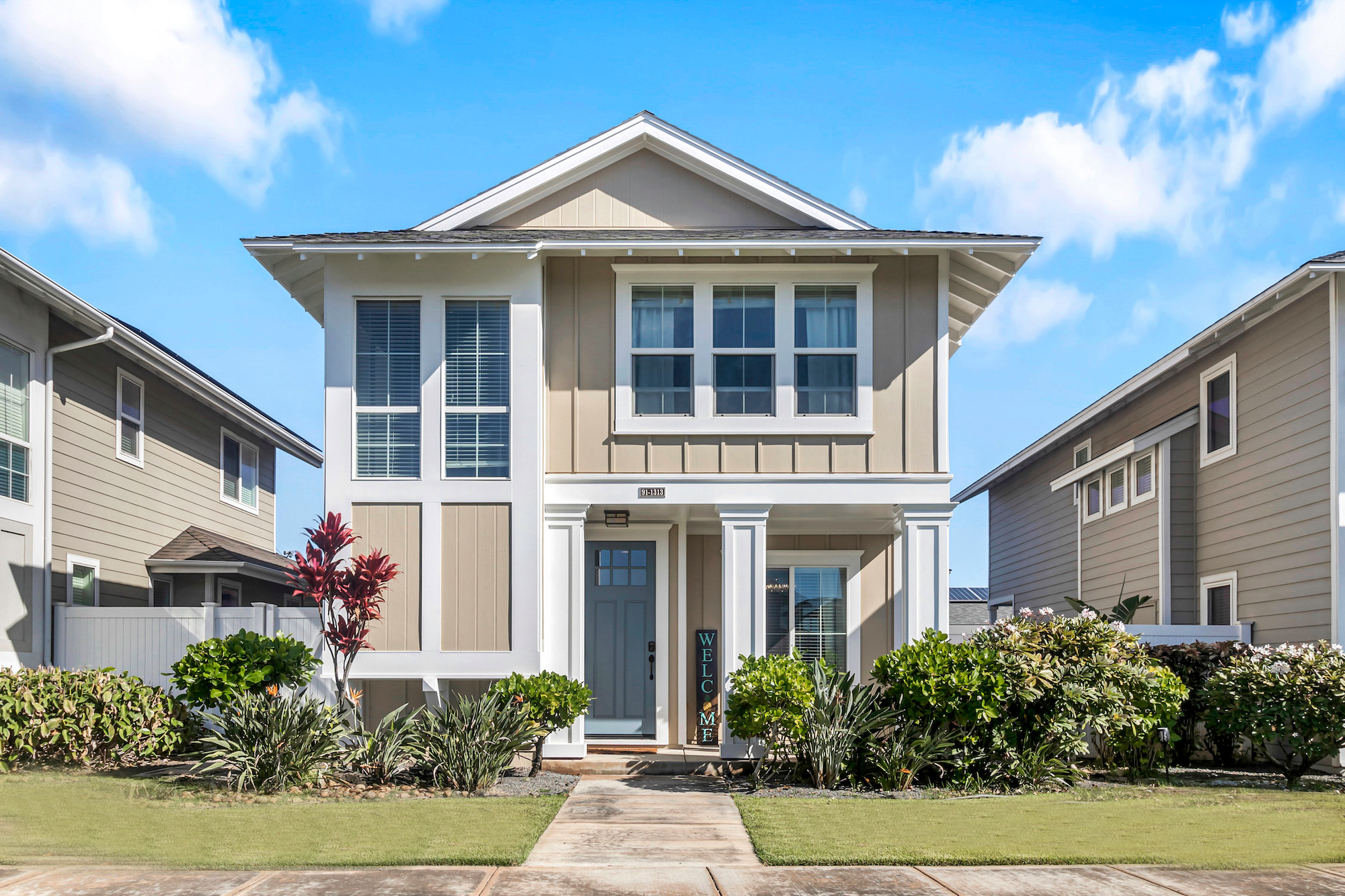
What Is a Short Sale? A Clear Guide for Homeowners in Hawai‘i
If you’ve heard the term “short sale” and aren’t quite sure what it means—or you’re wondering if it could apply to your situation—you’re not alone. A short sale is one of the most misunderstood options in real estate, but for many homeowners, it can be a powerful solution during a difficult financial moment.
Here’s what you need to know.
What Is a Short Sale?
A short sale happens when a homeowner sells their property for less than what is owed on the mortgage, and the lender agrees to accept that reduced payoff. Instead of going through foreclosure, the lender allows the home to be sold on the open market.
This option is typically used when:
- The home’s value has dropped below the loan balance
- The homeowner cannot afford to continue making payments
- The homeowner cannot bring cash to closing to cover the difference
Why Do Short Sales Happen?
Short sales are usually tied to a financial hardship. Common examples include:
- Job loss or reduced income
- Divorce or separation
- Medical expenses
- Relocation (especially military PCS moves)
- Unexpected financial obligations
Even in strong markets, life circumstances can create situations where selling normally just isn’t possible.
How Does the Process Work?
A short sale is different from a traditional sale because the lender is heavily involved. Here’s a simplified breakdown:
- Evaluate the Situation
A real estate professional reviews your mortgage balance, market value, and whether a short sale is necessary. - List the Property
The home is listed on the market like a normal sale, often priced strategically to attract buyers. - Receive an Offer
Once a buyer submits an offer, it is sent to the lender for approval. - Submit the Short Sale Package
This includes financial documents, a hardship letter, and supporting information. - Lender Review & Approval
The lender (and sometimes the VA or other investor) reviews the file and decides whether to approve the sale. - Close the Sale
Once approved, the transaction moves forward and closes like a traditional sale.
What Are the Pros of a Short Sale?
- Avoids foreclosure
- Typically less damage to credit than foreclosure
- Provides a more controlled exit strategy
- Allows you to sell your home rather than lose it
- May allow you to purchase again sooner than foreclosure
What Are the Potential Downsides?
- Credit impact (though usually less severe than foreclosure)
- The process can take longer than a traditional sale
- Lender approval is required, which is not guaranteed
- There may be tax implications depending on forgiven debt
- In some cases, the lender may request repayment of a portion of the loss
VA Short Sales (Compromise Sales)
For homeowners with a VA loan, a short sale is called a VA Compromise Sale. This is a structured process where the VA works with the lender to approve the sale.
For many military homeowners facing PCS relocation, this can be a key option when:
- Selling at market value won’t cover the loan
- Renting isn’t feasible
- Carrying the mortgage after moving isn’t sustainable
Is a Short Sale Right for You?
A short sale is not the only option. Depending on your situation, you may also consider:
- Loan modification
- Forbearance
- Renting the property
- Selling and bringing cash to closing
Every situation is unique, which is why it’s important to review your numbers and goals before deciding.
Final Thoughts
A short sale is not a failure—it’s a strategy. When handled correctly, it can help you move forward, protect your long-term financial future, and avoid more severe consequences like foreclosure.
If you’re unsure whether a short sale applies to your situation, the best first step is simply to have a conversation and review your options. There’s no pressure—just clarity.
If you’re considering your options or just want to understand your home’s current value, feel free to reach out. I’m here to help guide you every step of the way.


