LocalReal Estate April 26, 2023

PCS to Hawaii: Tips for a Smooth Transition

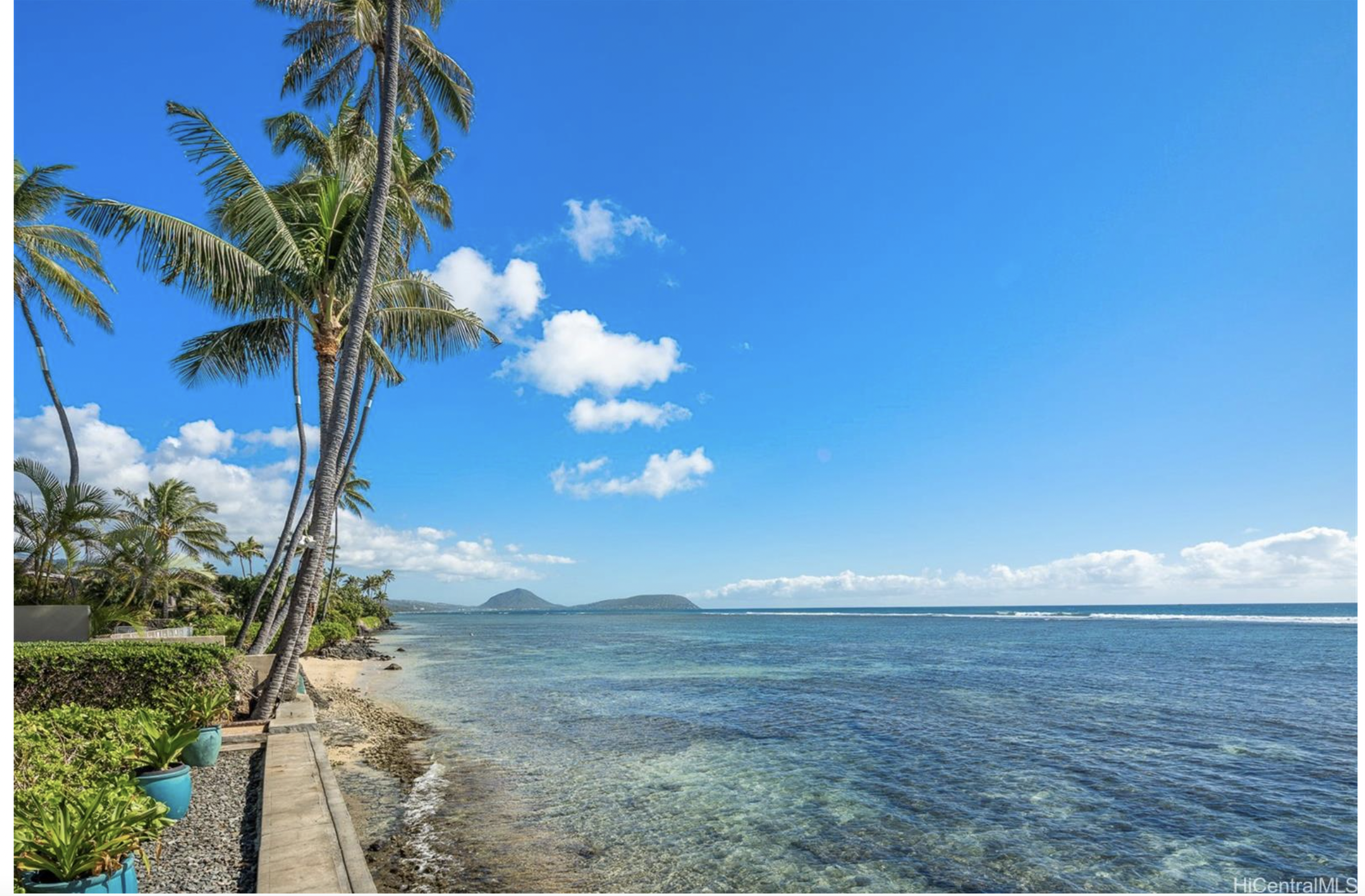
Congratulations on your new PCS move to Hawaii! This may be the most unique PCS location you will come to anywhere in the U.S! On Oahu, you will find temperatures in the mid-70s to mid-80s almost all year round, depending on your location. Some parts of the island are dry, some areas are wet, and there are tons of microclimates that change neighborhood by neighborhood. PCSing to Hawaii and finding a house isn’t just about finding a house to live in, it’s about waking up and feeling happy in the community around you. I’m here to help!

Tips for a Smooth Transition

Homes Are Smaller

In Hawaii, there is less space. Single-family homes usually range from around 900 square feet to 1,500 square feet for most places within an average service member’s budget. However, there are exceptions. Single-family homes in a service member’s average price range as small as 220 square feet and as big as a 3,000 square feet. In general, think small!

Your Location & Your Commute Time

In Hawaii, commute time is defined by location-specific traffic patterns. If you move to the wrong location and have the wrong work start time, you can easily be in bumper-to-bumper traffic for well over 2 hours each way!!  Depending on your branch and your duty, you can be at one of the various bases throughout the island of Oahu. (Read my blog Military Bases in Hawaii, for more information about your specific base.)

On Oahu, there are several “rush hours” throughout the day that correspond with the times that the military leave  bases, the times state workers finish for the day, and the times that the dockworkers finish for the day. To find the best place for a good commute time, it is important to know which base or location you will be commuting to, and what your hours will likely be. The goal here is to make sure that you spend less time in your car and more time doing what is important to you!

The Addresses Aren’t Always the Same as the Town Names

In Hawaii we do not have incorporated municipalities, so the mailing addresses are not accurate to the location. Let’s say you want to buy in “Honolulu.” Well, an address that says “Honolulu” could be practically anywhere between the town of “Salt Lake” down by Hickam Air Force Base to the Hawaii Kai area. That can be a distance of 23 miles and well over an hour of transit time difference. Likewise, towns like Makaha and Ma’ili in the Leeward side are given Waianae mailing addresses. So, looking for a place to live online may get pretty confusing pretty fast without a good realtor to guide you. Again, I’m here to help!

HOA Fees are Bigger for Condos and Townhomes

HOA fees are much higher here than what you may be used to on the mainland if you move to a homeowners association. As of 2023, the average HOA fee on apartments is upwards of $400/month. A three-bedroom apartment in the downtown area could have an HOA of over $1,000/month. Many of the more popular attached townhomes have HOA fees of more than $600/month. Sometimes these large fees cover nice amenities, but often they are high to cover reserves to do future maintenance. HOAs are counted into the debt-to-income ratio and borrowing limits for a buyer, an HOA of $500/month may lower your buying ability by $70,000 or more.  On one hand, these HOAs might go towards maintaining your lawns and common areas. But on the other hand, during three years of service, you could easily be giving an HOA $18,000.

PCS Season – Look at Homes Before You Arrive

In PCS season, roughly the end of March through the end of July, there is a huge increase in home inventory for sale as service members leave the island. However, there is also increased competition for homes that are for sale. Just like you, plenty of service members will soon be looking for a place to call home. That means effective communication, efficient scheduling, and proper guidance are very important. We have to work together quickly to find a place that will work for you, get in tailored and well-written offers, and get you the best shot to get to the top of the seller’s pile of offers. When there are multiple offer situations, we need to be ready to get revised offers submitted in the most efficient manner possible. We want to set you up so that when you arrive, things are ready for you.

My goal is to help you find a place to move into that will set you up for your professional and personal success.

There are quite a few military bases here, so looking for targeted advice on a military move can be difficult without a realtor who actually knows what they are doing. Reach out anytime. I’m here to help!

Here is my contact information:

Shannon Dube

808-475-3324
Shannon@C21IslandHomes.com


Local April 5, 2023

Discover the Brilliance of Diamond Head – The Ultimate Guide to Exploring this Iconic Hawaiian Landmark

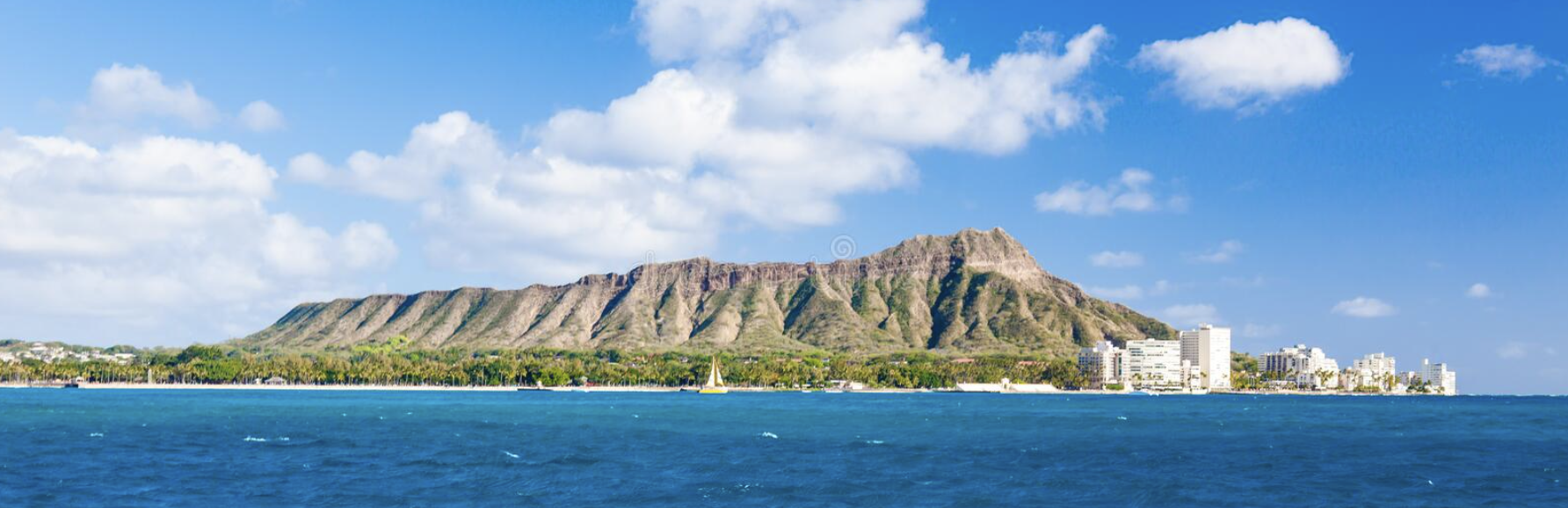
Diamond Head is one of Hawaii’s most recognized landmarks.  The unique profile of Diamond Head sits prominently near the eastern edge of Waikiki’s coastline. It is known for its historic hiking trail, stunning coastal views, and military history.  At the 760- foot summit you’ll have once in a lifetime panoramic views of the surrounding landscape!

The Formation of Diamond Head

Diamond Head is also known as Le’ahi. It’s broad, saucer-shaped crater was formed about 300,000 years ago during a single, explosive eruption. The eruption sent ash and fine particles in the air. As these materials settled, they cemented together into a rock called tuff, creating the crater. It is visible from the trail in the park. Most of the vegetation and birds were introduced in the late 1800s to early 1900s.

A Little History

The name “Diamond Head” comes from the 19th century when British sailors mistook calcite crystals found in the crater for diamonds. The name stuck and has been used ever since.

Throughout history, Diamond Head has played a significant role in Hawaiian culture and military history. The crater was once used as a navigational landmark by Hawaiian seafarers. It was also a sacred site where the Hawaiian god of fire, Pele, was believed to live in the early 1900s.  The US military later established a coastal defense system at Diamond Head to protect the island from potential attacks.

Hiking at Diamond Hike State Monument

This hike is great for most fitness levels. It’s the perfect way to enjoy fresh air and exercise while taking in the beautiful scenery of Oahu.

This hike can be done at your own pace with the help of a provided map, or just by following the trail! You could also opt to take a guided tour, which includes round-trip transportation, park entrance fees, and water. Diamond Head Tours

For more information head to the State of Hawaii website: Diamond Head.

Special Tips

Entry and parking reservations required for non-residents (as of May 12th, 2022) , plan accordingly.

The last entrance to hike the trail is at 4:00 pm. The gates are locked at 6:00 pm daily and all visitors must be out of the park by this time.

NO PETS ARE ALLOWED IN THE PARK EXCEPT SERVICE ANIMALS.

Diamond Head has fully accessible park facilities on the crater floor those with disabilities.  The hiking trail to the summit is not ADA accessible, it is very steep and uneven in some areas. The last 1/10 of a mile is all stairs and especially steep.  Allow 1.5 to 2 hours for your hike. Wear good walking shoes, bring water, and wear a hat and sunscreen.

Let’s all take a hike!


Local February 24, 2023

O’ahu Farmers’ Markets: Shop Smart

Several times a week, in a variety of locations around the Hawaiian Islands, food producers and local culinary stars gather in parks and parking lots to sell fresh produce and other agricultural products. It’s the perfect opportunity for residents and visitors alike to enjoy locally grown Oʻahu products, including aqua-cultured seafood, North Shore beef, Mānoa honey, Kahuku corn, Waialua chocolate and Waimānalo greens (that’s just for starters).

Shop Smart at Farmers’ Markets

  • Look for produce that’s free from unusual odors or colors and signs of spoilage.
  • Handle produce gently to reduce bruising. Bacteria can thrive in the bruised area.
  • Wash your hands for at least 20 seconds with soap and water before handling produce.
  • Wash all fruits and vegetables with cool running tap water right before eating. Don’t use dish soap or detergent because the FDA hasn’t approved or labeled these products for use on foods.
  • Scrub melons with a brush and running water, because bacteria can be transferred from the outside of the melon to the inside by a knife.
  • Cut away bruised parts before eating. Remove the outer leaves from lettuce and cabbage.
  • Keep fresh cut produce cold by placing serving containers on ice. Perishable food should spend no more than two hours in the “danger zone” (40 to 140oF).
  • Store produce in containers that are free from excess liquid.
  • Refrigerate cut produce and use within a few days.

There are amazing Farmers Markets all over O’ahu!

Honolulu Farmers Market
Wednesdays, 4–7 p.m.
777 Ward Ave.
(808) 848-1921
Website

Hyatt’s Farmers Market 
Mondays and Wednesdays, 4–8 pm
Hyatt Regency Waikīkī Beach Resort and Spa
2424 Kalākaua Ave. (Ground Floor)
(808) 923-1234
Website

Mahiku Farmer’s Market at International Market Place
Thursdays, 4–8 pm
2330 Kalākaua Ave. (Level 1, Banyan Court)
(808) 921-0536
Website

Kapiʻolani Community College Farmers Market
Saturdays, 7:30–11 a.m.
4303 Lēʻahi Head Rd.
(808) 848-1921
Website

Mahiku Farmers Market at King’s Village
Fridays and Mondays, 4–9 p.m.
131 Kaʻiulani Ave.
(808) 225-4002
Website

North Shore Country Market
Saturdays, 8 a.m.–2 p.m.
59-360 Kamehameha Hwy
(808) 234-9421

Kailua Farmers Market
Thursdays, 5–7:30 p.m.
609 Kailua Rd.
(808) 848-1921
Website

Windward Mall Farmers Market
Wednesdays, 2:30 p.m.–7:30 p.m.
46-056 Kamehameha Hwy.
(808) 235-1143
Website